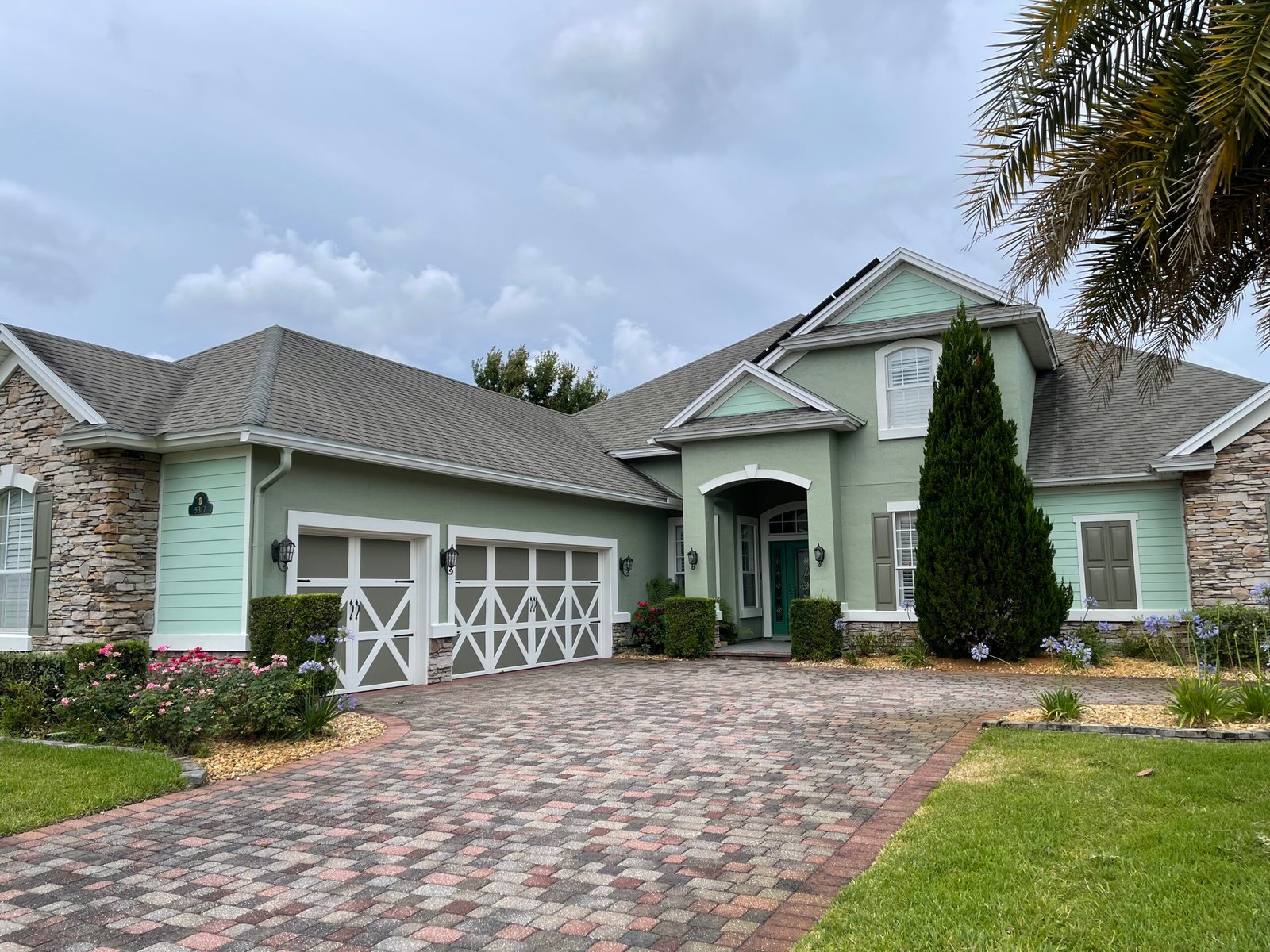

Most Jacksonville homes need new paint every 5–7 years, and beachside properties often need it in as little as 3–5. Florida’s sun, subtropical humidity, pounding storms, and salty breeze age paint faster than the national average. Homeowners keep asking: how often should you paint your house? Yet the real answer changes with surface type, prep quality, and proximity to the coast.
Quick Overview
- Stucco, wood, fiber cement, and brick each follow different repaint intervals in Northeast Florida
- Coastal salt spray, direct sun, and seasonal moisture shorten those intervals
- Chalking, fading, peeling, and cracked caulk signal that fresh paint is overdue
- Gentle rinsing, recaulked joints, and spot priming can stretch a finish two to three extra years
• Touch-ups work for single-story areas but multi-story exteriors still call for professional help
What Determines Repaint Frequency?
Your repaint clock starts ticking the moment fresh paint dries. Four variables decide how fast that clock runs here in the River City.
- First is the substrate itself. Stucco breathes, wood moves, fiber cement holds crisp edges, and brick releases moisture through its pores.
- Second comes exposure. Homes on Jax Beach or Ponte Vedra feel constant salt crystals and wind-driven sand while inland neighborhoods like Mandarin see gentler conditions.
- Third is product and prep quality. A dedicated primer, top-grade acrylics, and careful caulking seal out water and block UV rays far longer than a single “builder-grade” coat.
- Finally color and sheen matter. Dark reds or deep blues heat up, fade quicker, and show chalk sooner while satin or semi-gloss trims shed dirt and water with ease.
Blend those factors and you will understand why one neighbor’s paint still looks sharp after eight years while another is already flaking at year four. Keeping these elements in mind also helps predict exterior painting cost before the first drop of paint lands on the siding.
Exterior House Painting: Materials & Realistic Timelines
Below is a closer look at how Northeast Florida’s major exterior surfaces age and when they usually need attention.
- Stucco: Acrylic paint on stucco often holds up five to seven years inland. Upgrade to elastomeric and the flexible skin can stretch that to eight. Coastal salt and constant mist shave at least a year off either range. Proper crack repair and back-rolling are musts if you expect the full life span.
- Wood Siding & Trim: Wood expands during humid summers then contracts when cooler fronts arrive. That movement stresses paint. Expect four to six years before color fading and open grain tell you it is time. Heavy primer on raw edges and vigilant caulking can push performance toward the higher end of the range.
- Fiber Cement: This stable, rot-resistant board is the marathoner of Jacksonville claddings. Two coats of premium acrylic often last seven to ten years inland. Seal cut edges and keep sprinklers from soaking the base to reach double-digit longevity and keep the best exterior paint colors looking crisp.
- Painted Brick: Mineral paints breathe with masonry and may last a decade but many homes wear standard acrylic. Those finishes usually need new coats at six to eight years inland and five to seven near the coast. Efflorescence or chalk lines on the mortar are early warnings.
- Trim & Accents: Fascia, doors, and railings take more sun and hand contact so they need a refresh sooner than field walls. Plan on three to five years depending on color and sheen. Spot-coating high-touch areas can buy extra time.
How Often to Paint House Exterior Near the Coast vs. Inland
Life feels different on the sand than it does ten miles inland. Paint feels it too. Coastal communities (think Jacksonville Beach, Neptune Beach, and Ponte Vedra Beach) soak up salt spray that etches surfaces, along with relentless UV that cooks pigments. Stucco may show hairline cracks at year three. Wood can cup or peel in four. Fiber cement holds out five to seven if edges were sealed perfectly. Acrylic on brick fades and powders around year five.
Inland zones such as St. Johns, Mandarin, Fleming Island, Orange Park, and the older streets of St. Augustine wait a bit longer. Stucco pushes to six or seven years, wood five to six, fiber cement eight or nine, and brick seven or eight. South- and west-facing walls always need attention first because afternoon sun is harsher. A proactive repaint keeps insurers happy and HOA letters off your door by blocking water intrusion before it turns to rot.
Interior Repaint Timing By Room Use
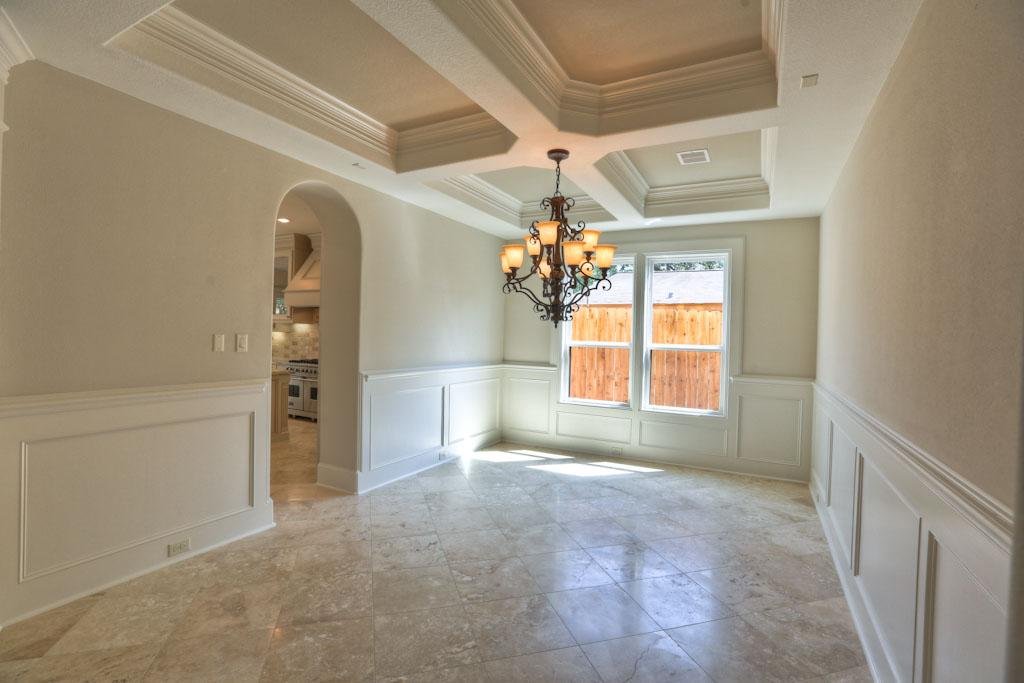
Inside your home paint cycles revolve around traffic and moisture more than weather. Kitchens, baths, hallways, and kids’ rooms see fingerprints, steam, and frequent scrub downs so colors tend to dull in three to five years. Choose washable eggshell or satin finishes to slow that fade. Bedrooms and home offices enjoy calmer conditions and often wait six to eight years before walls lose their pop. Dusting and gentle cleaning can tack on extra seasons of freshness.
7 Clear Signs It’s Time To Repaint
You never need a calendar when these symptoms appear:
- Chalking that leaves a powder on your hand tells you UV light has beaten the binder
- Faded color on south walls hints that pigment protection is gone
- Peeling or curling edges on trim expose bare wood underneath
- Hairline cracks snaking across stucco invite water to sneak inside
- Caulk splitting at joints signals that joints can no longer flex or seal
- Swollen or soft wood shows moisture already made itself at home
- Rust stains where metal fasteners peek out will bleed through any touch-up
Handle small failures quickly or expect larger substrate repairs down the road.
Simple Maintenance To Add 2–3 Years To A Finish
A few regular habits keep paint strong and sharp.
- Rinse siding lightly each spring to clear pollen, salt, and mildew spores.
- Inspect sun-blasted walls every fall for early cracks or chalk then touch prime those spots.
- Recaulk joints that lost elasticity so water stays outside where it belongs.
- Aim sprinklers clear of siding so hard water rings do not etch paint films.
- Trim shrubs and vines back twelve inches for better airflow on shady walls.
- After major storms run a swift hose rinse to wash away salt crystals that might have blown inland.
DIY Or Pro? Make The Right Call
Recognize the value of professional painting when conditions or repairs stretch beyond DIY comfort. Touch-ups inside a single-story home are perfect weekend projects when you already own brushes and ladders. So are small fence panels or a fresh color on the front door. Projects shift fast once heights climb or repairs pile up. Multi-story siding demands staging, fall protection, and moisture-meter checks that only seasoned crews bring. Extensive stucco patches, lead-safe preparations, or a warranty backed by insured craftsmen all fall under the umbrella of exterior painting services offered by established contractors.
Hiring experts also protects the finish quality and secures fair pricing for exterior house painting on complex elevations. It pays to weigh effort against outcome before committing to gallons and gear.
FAQs
Do beachside homes really need repainting sooner than inland homes?
Absolutely. Salt, sand, and intense UV trim repaint cycles by about two years compared with homes west of the Intracoastal.
What season is best for exterior work in Northeast Florida?
Late fall through early spring offers milder temperatures and lower daily rain chances, giving coatings steady cure times.
Can I extend the life of my current paint without a full repaint?
Yes. Gentle washing, fresh caulk, and spot priming faded patches on sun-facing walls usually buy another couple of years.
How do I tell if I need repairs before painting?
Soft wood, deep stucco cracks, missing caulk, or rust streaks point toward necessary fixes. Secure those repairs before new topcoats.
Do darker colors fail faster in Florida?
Darker shades absorb more UV and can fade sooner. Choose premium UV-blocking formulas and plan slightly shorter refresh intervals.
Next Steps:
Ready for an expert assessment and color guidance backed by peace-of-mind warranties? Schedule your no-obligation visit with A New Leaf Painting today. Call 904-615-6599, email office@anewleafpainting.com, or head to anewleafpainting.com.
Background-checked professionals, and convenient financing are all waiting for homeowners across Jacksonville, Ponte Vedra Beach, St. Augustine, Fleming Island, Orange Park, and St. Johns County.