
Picking the right exterior paint in Jacksonville keeps your home looking sharp and protects it from sun, salt, and storms. The coastal heat, sticky humidity, and surprise squalls make paint choice more than a style call.
A finish that cracks up north can fail in months here. In a minute, you’ll see the best paint types, color cues, prep steps, and pro tips that spare you costly do-overs. You’ll even learn why Florida coastal home painting pros swear by certain formulas when choosing paint for humid climate zones.
Key Considerations Before Painting Your Home
Before a drop of primer hits the wall, lock in these five points:
- Humidity resistant paint stands up to Jacksonville’s muggy days.
- Weather swings fade lesser coatings; look for sun-fading exterior coatings.
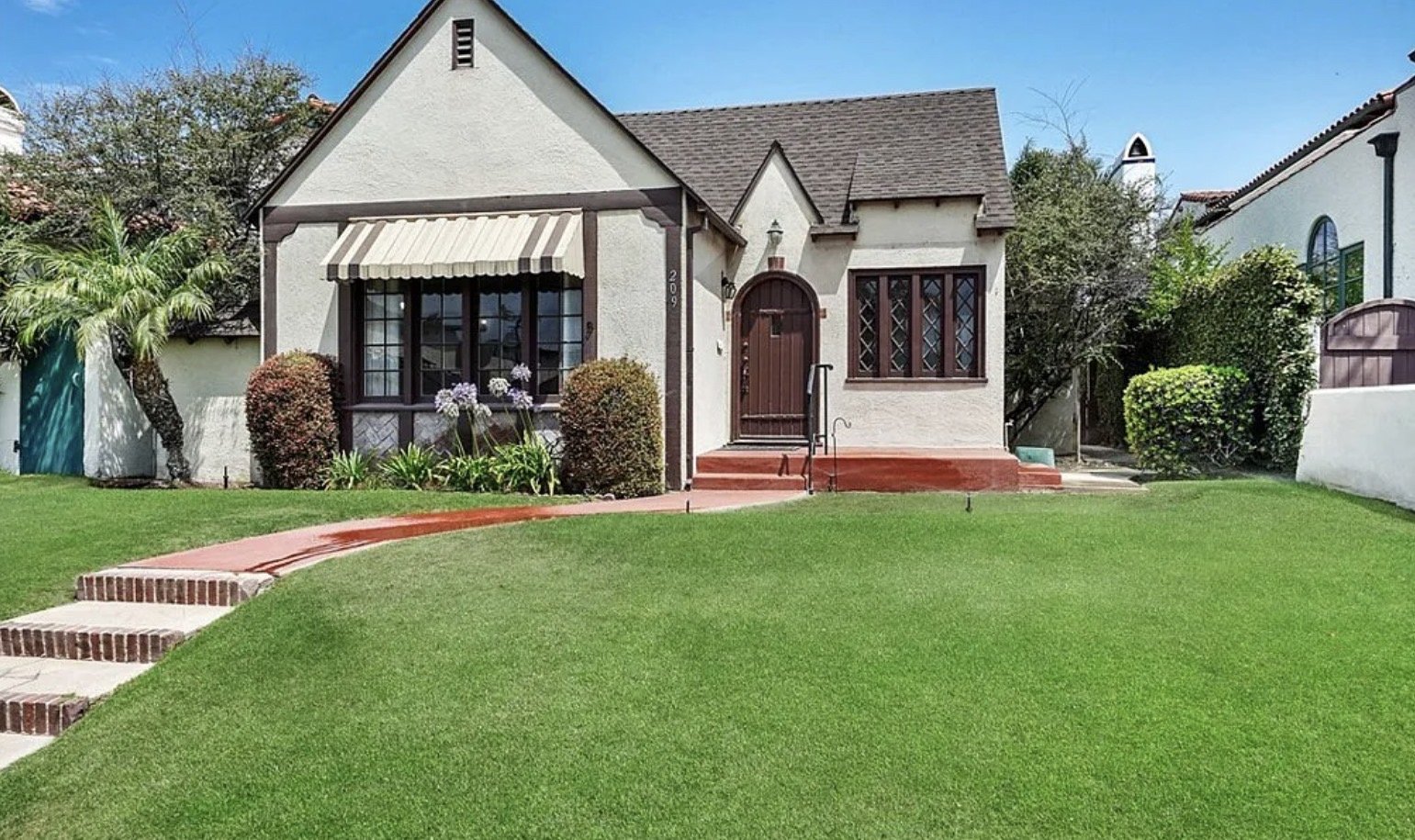
- Factor in surface material selection like stucco, wood, or brick each need their own recipe.
- Pick a color that resists heat and fits the block vibe.
- Plan prep and timing so storms do not spoil the job.
Exterior House Painting Challenges In Jacksonville
Jacksonville’s climate is like a gym for paint; constant UV rays, salty breezes, and punchy thunderstorms. Those forces chew through cheap films fast, leaving chalky streaks and early peel. Florida coastal painting conditions even differ by zip code; ocean-side homes soak up salt while inland walls battle swampy air.
Add in hurricane gusts, and paint adhesion gets real. That’s why formulas touting UV resistant exterior coatings pay off. They block fading and blistering so colors stay true. Keep an eye out for additives that fight mildew and moisture on exterior walls; mildew loves warm, wet corners. Thinking about stretching dollars? Bold moves for painting on a budget can work, but only if the product still matches local demands.
Choosing The Right Paint Type & Finish For Longevity
A cheap gallon may tempt you, yet Jacksonville’s climate grades paint hard. Let’s compare the standouts before you buy:
- Acrylic latex exterior paint bonds to most siding, flexes with temperature swings, and cleans with water.
- Elastomeric coatings for stucco form a rubber-like shell that bridges hairline cracks and shrugs off rain.
- Oil options add gloss on metal rails but dry slow and smell strong.
- High-build primers seal porous masonry and boost color life.
- A finish sheen for exterior durability such as satin hides minor flaws while shedding water better than flat.
Slide a notch up in quality and you gain thicker pigments, fewer repaints, and longer warranties. That upgrade also guards siding value; your walls deserve it. When you aim for standout style, remember the boost that well-planned exterior painting gives to a whole street.
Color Selection: Balancing Aesthetics And Performance
Bright sun can bleach deep hues in no time, so shade choice matters. Light tints bounce heat away, easing attic temps and cutting bills. Dark tones soak heat and can speed up cracking. The neighborhood vibe counts too; no one wants a painter’s palette clash.
- Fade-Resistant Exterior Colors: Pigments labeled “fade-resist” keep pastel blues and beach whites crisp under coastal glare.
- Neighborhood Color Restrictions: Some HOAs limit wild shades. Check rules before you buy gallons or face a redo notice.
- Salt Air Paint Maintenance: Salt spray near the ocean can dull glossy finishes. Rinse walls now and then to keep sparkle.
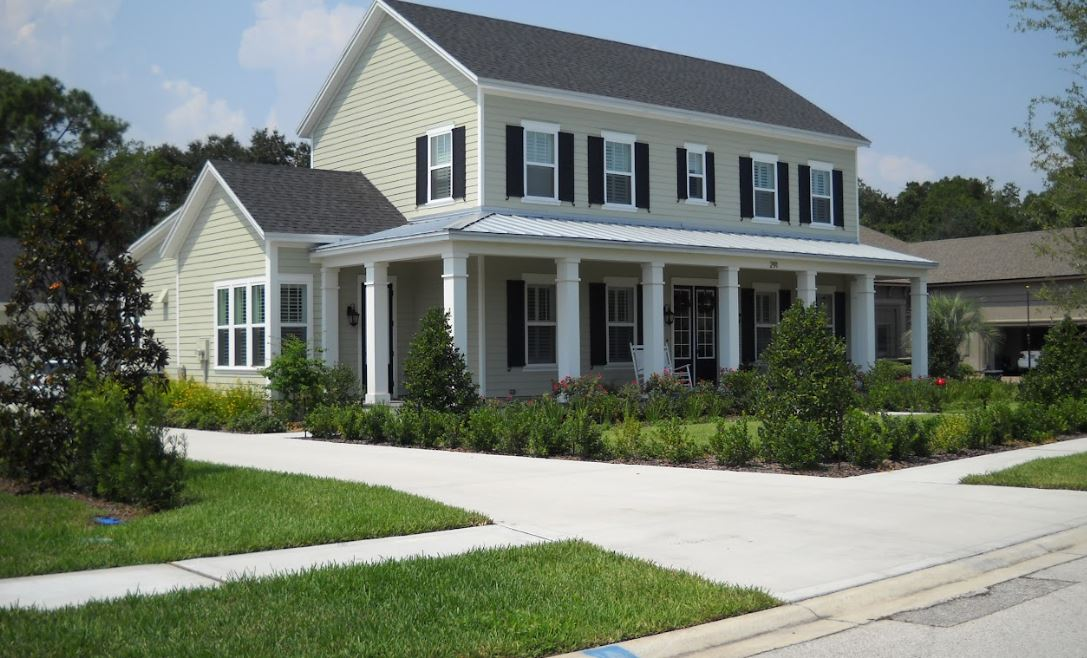
- Trim And Accent Harmony: Pair body color with lighter trims to frame windows and pop details.
- Natural Light Testing: Sample patches on each wall; morning and noon light can shift undertones fast.
Prep Work: The Foundation Of A Long-Lasting Paint Job
Skipping prep is like skipping breakfast; you can, but you’ll pay later. Jacksonville humidity traps dirt, so walls need serious cleaning first. Pro crews start with pressure washing exterior walls to knock out grime and algae. Next comes scraping flakes and repairing cracks stucco siding so new coats grip tight. Finally, use primer for wood siding exterior where bare spots show; primer seals knots and evens porosity. Rentals need fresh love too; well-timed upgrades help you attract tenants. Smart owners even paint rental property between leases.
When To Paint And How To Time Your Project
Weather apps become best friends when you plan a job here. Aim for a paint in mild weather window—temps between 55 °F and 85 °F help paint cure right. Afternoon thunderstorms? Hard pass. Watch forecasts and avoid painting before storms so fresh coats don’t streak. Fall through early spring offers longer dry spells and cooler mornings that tame drying speed. Two coats often need 24 hours between passes. Build in slack for breezy delays. A rushed schedule leads to lap marks and future peeling.
Hiring A Professional Vs. DIY: What’s Best For Your Home?
A steady hand on a ladder is one thing; matching pro gear is another. Consider these points:
- Local painting contractors know which primers block tannin stains and which brushes fight humidity sag.
- DIY saves cash but piles on exterior painting risks like overspray on the car or an ankle twist at twenty feet.
- Pros back work with a contractor warranty paint job, saving you a weekend repaint if blistering pops up.
A small porch rail might suit a weekend warrior, while a two-story stucco giant needs staging, sprayers, and full insurance. Thinking of listing soon? A smart refresh can clinch offers; few upgrades shout “cared for” louder than painting before reselling your place.
FAQs About Choosing Exterior Paint For Your Home In Jacksonville
How often should I repaint my home’s exterior in Jacksonville?
Heat and storms shorten cycles; aim for seven to ten years depending on repaint interval Florida guidelines and product grade.
What type of paint finish works best on stucco or brick surfaces?
Satin or low-sheen films fall under the top finish options stucco house because they breathe yet shed water.
Can I use dark colors safely for my home’s exterior under the Florida sun?
Yes, yet choose formulations marketed for coastal home paint considerations and expect more frequent touch-ups.
What steps are needed to prep a wood-sided exterior for painting?
Scrape loose chips, sand smooth, prime knots, then caulk gaps so moisture stays out.
How do I ensure the paint will withstand salt air if I live near the coast?
Select marine-grade acrylics, rinse salt film quarterly, and schedule inspections every other year.
Conclusion
Jacksonville’s heat, humidity, and salt demand smart paint choices. Match products to climate, prep the surfaces, and time the work right. Do that, and you lock in a home exterior upgrade that turns heads for years. Ready for a professional paint consultation that fits budget and schedule? Reach out to A New Leaf Painting at 904-615-6599 or email office@anewleafpainting.com, and let trained pros elevate curb appeal without the hassle.