Painting James Hardie Siding in Florida: Best Paint, Prep & Process for Fiber Cement Homes
James Hardie fiber cement siding is one of the most durable exterior materials a Jacksonville home can have. It handles heat, humidity, wind-driven rain, and salt air better than wood or vinyl, and when it’s painted with the right system it can hold up beautifully for 10–15 years before needing serious attention.
The catch: that long lifespan only happens when the paint product, surface prep, caulking, dry time, and color choice all match what Hardie board actually demands. After 25+ years painting Hardie homes across Jacksonville, Ponte Vedra Beach, Nocatee, St. Johns County, Fleming Island, and the Beaches, we’ve seen what makes a Hardie repaint last and what causes premature failure within 3–4 years.
This guide covers the right paint, the right prep, the Florida-specific factors that affect Hardie board, common mistakes that cause failure, and how to make the smart product and color decisions before the first gallon is opened.
Quick Answer
What is the best paint for James Hardie siding in Florida?
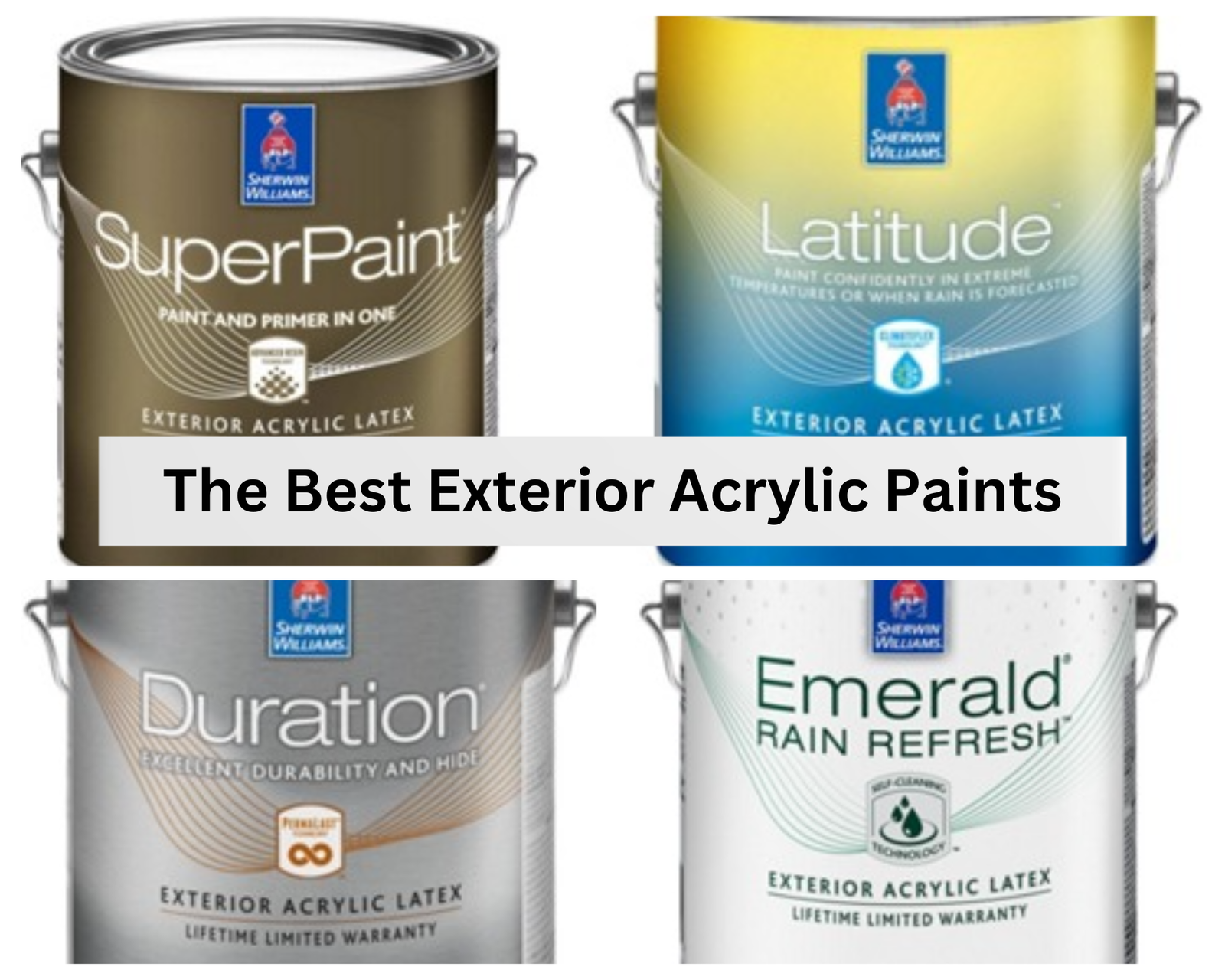
The best paint for James Hardie siding and fiber cement homes in Florida is a 100% premium acrylic exterior paint. In Jacksonville and Northeast Florida, we typically specify Sherwin-Williams® Duration Exterior, Sherwin-Williams® Emerald Exterior, Benjamin Moore® Aura Exterior, or Benjamin Moore® Regal Select Exterior depending on exposure, color choice, budget, and surface condition. Beyond product selection, proper cleaning, full dry time, quality acrylic caulk at all joints, and two full finish coats matter just as much as the brand on the can. Hardie board lasts 10–15 years between repaints when the system is right — and shows visible failure within 3–4 years when it isn’t.
Can You Paint James Hardie Fiber Cement Siding?
Yes. James Hardie siding is fully paintable, and many homeowners take advantage of that to refresh their home’s appearance, change colors, or restore a faded finish.
Hardie board ships from the factory in two main forms: ColorPlus® pre-finished with a baked-on factory color, or primed-only and ready for field-applied finish coats. Both can be repainted later, though the prep approach differs slightly between them.
If you’re painting newly installed Hardie siding that came primed-only, the topcoat application should happen within the manufacturer’s recommended window after installation — typically 90 days — for the best bond. If you’re repainting an older Hardie home, the project becomes more about proper surface preparation and product selection than primer timing.
What Is the Best Paint for Hardie Board?
Premium 100% acrylic exterior paint is the right product category. Within that category, the four product lines we consistently specify on Jacksonville Hardie board projects:
Sherwin-Williams® Duration Exterior
Engineered with PermaLast® technology, Duration is our most-specified product for Hardie board across Northeast Florida. The flexibility, bond strength, and UV resistance match Hardie’s natural expansion and contraction cycles particularly well. Strong color retention, mildew resistance, and a long expected lifespan at a slightly more accessible price point than top-tier products.
Sherwin-Williams® Emerald Exterior
The top-tier Sherwin-Williams premium exterior product. Advanced UV protection, exceptional color stability, and strong mildew resistance make it the choice for coastal homes, dark colors, premium Hardie projects in Ponte Vedra Beach, Sawgrass, and Marsh Landing, and any project where the homeowner wants the longest possible coating life.
Benjamin Moore® Aura Exterior
Industry-leading color retention thanks to Benjamin Moore’s Color Lock® pigment technology. The right choice when color depth and accuracy are the priority — custom palettes, designer-curated colors, or saturated mid-tones that other paints can’t hold long-term. Strong performer on Hardie board across the full color range.
Benjamin Moore® Regal Select Exterior
One step below Aura but still substantially above mid-grade exterior paints. Strong UV protection, mildew resistance, and durable film build at a slightly lower price point. Good choice for trim, doors, and shutters paired with a top-tier body coat — or for full-home Hardie repaints where budget matters but premium performance is still required.
Not sure which paint system fits your Hardie board home? Schedule a free exterior painting estimate and we’ll inspect the siding, caulk joints, color goals, and exposure before recommending a system.
Best Hardie Board Paint by Situation
The right premium product depends on the specific situation. Here’s how we typically match products to Hardie projects:
| Your Situation | Recommended Product | Why |
|---|---|---|
| Standard Hardie board repaint | SW Duration Exterior | Strong durability, color retention, and value |
| Premium repaint with longevity priority | SW Emerald Exterior | Top-tier UV protection and longest expected life |
| Color-critical or designer palette | BM Aura Exterior | Color Lock technology for the best color retention |
| Mid-premium budget repaint | BM Regal Select Exterior | Premium performance at a slightly lower price point |
| Coastal home (Ponte Vedra, Atlantic Beach, Amelia Island) | SW Emerald or BM Aura | Maximum UV and salt air resistance |
| Dark color change | SW Emerald or BM Aura | Dark colors require top-tier UV-resistant pigments in Florida |
| Heavy mildew or shaded home | SW Emerald or BM Aura | Strongest mildew-resistant additives in premium tier |
| Trim, doors, shutters only | BM Regal or SW Duration | Semi-gloss tier handles physical wear well |
For dark color projects specifically, the product matters more than almost any other decision — see our guide on why dark exterior paint fades faster in Florida before committing to a charcoal, navy, or black Hardie body color.
Why Painting Hardie Board Is Different in Jacksonville, Florida
Hardie performs well in Florida, but the coating system has to handle conditions that don’t exist in cooler regional climates. The factors that affect Hardie repaints in Northeast Florida specifically:
- Year-round UV exposure. Jacksonville gets serious sun 12 months a year. Premium acrylic with UV-resistant pigment technology is essentially required for long-term performance — mid-tier and budget paints fade faster here than they would in most of the country.
- High humidity. Florida humidity creates ideal conditions for mildew growth on exterior surfaces. Hardie’s smooth finish doesn’t prevent mildew. Premium acrylic with strong mildew-resistant additives is what handles it.
- Wind-driven rain from afternoon thunderstorms. Summer storms drive water horizontally into siding. Caulk joints, transitions, and trim seams take serious abuse. The caulk product matters as much as the paint.
- Salt air. Coastal homes in Ponte Vedra Beach, Atlantic Beach, Jacksonville Beach, and Amelia Island deal with salt-laden air that accelerates substrate breakdown and shortens coating life. Top-tier products are worth the upgrade for coastal Hardie projects.
- Daily temperature swings. Hardie expands and contracts with temperature changes. Caulk joints and the paint film both need flexibility to move with the substrate without cracking.
- HOA color requirements. Many Hardie homes are in master-planned communities — Nocatee, RiverTown, Palencia, Eagle Harbor, Julington Creek Plantation — where exterior repaints require ARB approval before any paint goes on the wall.
For coastal Hardie homes specifically, our Ponte Vedra Beach salt-air painting guide covers the additional considerations that apply when ocean exposure is part of the equation.
Step-by-Step Process for Painting Hardie Board in Florida
Step 1: Inspect the Siding
Before any paint or prep work begins, every elevation gets walked. Cracked or damaged boards, failed caulk joints, exposed or rusting nails, mildew patches, and any signs of moisture intrusion all get documented. Damaged boards may need replacement before painting — paint doesn’t fix structural issues.
Step 2: Clean the Surface
Pressure wash to remove dirt, mildew, pollen, salt residue, and any loose paint or chalk. For mildew-heavy surfaces, a cleaning solution of approximately 25% bleach to 70% water can be applied with a pump sprayer before the rinse. The goal is a fully clean substrate that paint can bond to without contamination.
Step 3: Allow Full Dry Time
Hardie absorbs moisture during cleaning. The siding must be fully dry before any caulk or paint goes on — typically 2–3 days in Florida humidity, longer if rain has occurred during that window. Painting over damp Hardie is one of the most common causes of premature coating failure.
Step 4: Spot-Prime Where Needed
Factory-primed James Hardie siding may not need a full primer coat if it’s clean, dry, and being painted within the manufacturer’s recommended window. However, previously painted, weathered, chalky, repaired, or exposed areas often require spot priming or specialty primer before finish coats. The “Hardie is pre-primed” guidance applies to new factory-primed boards in good condition — not to weathered repaint surfaces.
Step 5: Caulk All Joints With Quality Acrylic Sealant
Use a high-quality 50-year paintable acrylic caulk at all transitions, butt joints, trim seams, and around windows and doors. Cheap caulk is one of the fastest ways to ensure a Hardie repaint fails — caulk failure creates water entry points that telegraph through the new paint within a year or two.
Step 6: Apply Two Full Coats of Premium Acrylic
Two full coats at proper film build is non-negotiable for long-term performance. Skipping the second coat to save material is the fastest way to ensure premature fading, chalking, and coating failure. Apply per manufacturer recommendations for spread rate and coverage.
Step 7: Final Walkthrough
Every elevation gets inspected for missed spots, drips, runs, caulk uniformity, and overall finish quality. Any touch-ups happen before the project is considered complete.
Common Mistakes That Cause Hardie Board Paint to Fail
The same mistakes show up across nearly every premature Hardie failure we’re called to evaluate:
- Painting before the siding is fully dry after pressure washing, leading to adhesion failure within months
- Skipping mildew removal and painting directly over biological growth that continues to spread under the new film
- Using cheap exterior paint that wasn’t engineered for Florida UV and humidity
- Applying only one coat instead of the two full coats premium products require for proper film build
- Using poor-quality caulk that fails within 1–3 years and creates water entry points
- Caulking areas that should not be caulked — like the bottom of horizontal lap siding, which needs to drain
- Painting over damaged or moisture-compromised boards instead of replacing them first
- Ignoring James Hardie’s manufacturer guidance on coating compatibility and warranty requirements
- Choosing dark colors without discussing heat absorption and fade with the homeowner
- Not checking HOA approval before color changes on homes in master-planned communities
- Pressure washing too aggressively and damaging the Hardie surface or driving water behind the boards
- Skipping spot priming on weathered or repaired areas because “Hardie is pre-primed”
Almost every premature Hardie failure traces back to one or more of these. The good news: every one of them is preventable with the right contractor and the right process.
Hardie Board vs Stucco: Why the Paint System Is Different
Many Jacksonville homes mix Hardie board and stucco — Hardie on the body, stucco on accent walls or chimneys, or vice versa. The two substrates need different coating considerations:
| Surface | Best Paint Type | Main Concerns |
|---|---|---|
| Hardie board / fiber cement | Premium acrylic exterior | Adhesion, caulk joints, UV, moisture migration |
| Stucco (first-time) | Elastomeric | Waterproofing, hairline crack bridging |
| Stucco (repaint, sealed) | Premium acrylic exterior | Color retention, breathability |
| Wood trim, fascia, soffits | Premium acrylic / trim enamel | Moisture, rot, adhesion |
| Metal doors, railings | DTM (Direct to Metal) coating | Rust prevention, bonding |
For homes with stucco surfaces alongside Hardie, see our complete guide to elastomeric paint for stucco homes, the head-to-head comparison of elastomeric vs acrylic paint, and the broader guide to the best exterior paint for Florida sun and humidity. If you’re seeing peeling on existing stucco, our guide on why stucco paint peels in Jacksonville covers diagnosis and the right fix path.
HOA Color Approval for Hardie Board Homes
Many newer Jacksonville-area communities with Hardie board siding require ARB, ARC, or ACC approval before any exterior repainting work begins. Communities where this is especially common include Nocatee (Twenty Mile, Coastal Oaks), RiverTown, Palencia, Julington Creek Plantation, Fleming Island (Eagle Harbor, Pace Island), Sawgrass, and most master-planned developments across St. Johns County.
Before scheduling a Hardie repaint in an HOA community, confirm:
- Body color is on your community’s approved palette
- Trim color is approved and matches the body in an approved combination
- Front door, garage door, and shutter colors meet community guidelines
- Sheen requirements (some communities specify flat or low-lustre on body coats)
- LRV (Light Reflectance Value) requirements if your community enforces them — typically LRV 55+ for body colors
- No immediately adjacent neighbor already uses the same color (non-adjacency rule applies in many communities)
- Written ARB approval is received before paint touches the wall
For complete HOA painting resources: our Jacksonville HOA paint color guide covers approved palettes for 23 communities, our HOA paint submission packet checklist walks through every component your application should include, and our guide on why HOA paint colors get denied covers the most common reasons applications get rejected.
Hardie Board Painting Checklist: 7 Things to Check First
Before painting James Hardie siding in Florida, check these seven items — most of them affect whether the repaint will hold up for 10 years or fail in 3.
- Is the siding factory-primed, ColorPlus pre-finished, or previously painted?
- Is there visible dirt, mildew, chalking, or biological growth on the surface?
- Are caulk joints intact, or are there failed seams that need replacement?
- Are nail heads exposed, rusting, or popped out from the substrate?
- Are any boards cracked, loose, swollen, delaminating, or moisture-damaged?
- Are you changing to a darker color, especially on south- or west-facing elevations?
- Is the home in an HOA that requires color approval before painting?
We inspect each of these items during every exterior painting estimate. Schedule a free estimate and we’ll walk the home with you and document what your specific Hardie repaint requires.
How Long Does Paint Last on James Hardie Siding?
Properly applied premium acrylic on properly prepped Hardie board typically lasts 10–15 years before needing serious attention in Northeast Florida. Some projects exceed 15 years when the conditions are favorable — north-facing elevations, lighter colors, well-maintained homes with annual gentle washing.
That lifespan drops significantly when:
- Mid-tier or builder-grade paint was used instead of premium acrylic
- Surface prep was rushed or incomplete
- Caulk failed and was never replaced
- Dark colors were used on south- or west-facing elevations
- Coastal salt air exposure isn’t accounted for in product selection
- The home goes 10+ years without any maintenance washing
The product cost difference between premium acrylic and budget paint is small. The labor cost of repainting in 4 years instead of 12 is enormous. Premium products on Hardie board are almost always the better dollar-per-year value in Florida.
Our Recommended Process for Painting Hardie Board in Jacksonville
After 25+ years and thousands of exterior projects across Jacksonville, here’s how we approach a Hardie board repaint:
- Inspect every elevation before quoting. Cracked boards, failed caulk, mildew, exposed nails, and color goals all get documented before we put a number on the project.
- Confirm HOA requirements early. If the home is in a master-planned community, we help organize the paint-related details for ARB submission before painting is scheduled.
- Pressure wash thoroughly and allow full dry time. 2–3 days minimum in Florida humidity, longer if conditions require.
- Replace failed caulk with quality acrylic sealant. Cheap caulk is the fastest way to ensure the repaint fails — we use 50-year paintable acrylic at all joints.
- Spot-prime where needed. Weathered, repaired, or chalky areas get appropriate primer regardless of factory pre-priming.
- Spec the right premium product. Sherwin-Williams Duration is our default for standard Hardie repaints. Emerald or Aura for coastal homes, dark colors, or premium projects. Regal Select where budget priority matters.
- Apply two full coats at proper film build. No shortcuts on coverage.
- Walk the project with the homeowner before completion. Anything that doesn’t meet the standard gets addressed before we leave.
- Back the work with our Iron-Clad Guarantee. Professional results you’ll love — or your paint is 100% free.
Frequently Asked Questions
Can James Hardie siding be painted?
Yes. James Hardie fiber cement siding is fully paintable. Factory-primed boards can receive finish coats within the manufacturer’s recommended window after installation, and previously painted Hardie can be repainted at any time as long as proper surface preparation is followed.
What is the best paint for Hardie board siding?
100% premium acrylic exterior paint. The four products we consistently specify in Jacksonville are Sherwin-Williams Duration Exterior, Sherwin-Williams Emerald Exterior, Benjamin Moore Aura Exterior, and Benjamin Moore Regal Select Exterior. The right choice depends on exposure, color goals, and budget.
How long does paint last on James Hardie siding?
Premium acrylic on properly prepped Hardie typically lasts 10–15 years in Northeast Florida. Some projects exceed 15 years on favorable elevations with light colors and consistent maintenance. Mid-tier or budget paints often need attention within 4–6 years.
Should Hardie board be primed before painting?
Factory-primed Hardie installed within the manufacturer’s recommended window may not need a full primer coat if the surface is clean and dry. Weathered, previously painted, repaired, or chalky areas usually require spot priming with appropriate primer before finish coats. The “no prime needed” guidance applies to new factory-primed boards, not all Hardie surfaces.
Can you pressure wash Hardie board before painting?
Yes, and proper pressure washing is part of the recommended prep process. Use moderate pressure to avoid damaging the surface or driving water behind the boards. Allow full dry time — typically 2–3 days in Florida humidity — before any caulk or paint goes on.
How long should Hardie board dry before painting?
2–3 days minimum after pressure washing in typical Florida conditions. Longer if rain has occurred during the dry window or if humidity is unusually high. Painting over damp Hardie is one of the most common causes of premature coating failure.
What causes paint to peel on fiber cement siding?
The most common causes are painting over damp siding, skipping mildew removal, using mid-tier or builder-grade paint, applying only one coat, failed caulk allowing water entry, and painting over damaged boards. Almost every premature Hardie paint failure traces back to one or more of these issues.
Can you paint Hardie board a dark color?
Yes, but with caution in Florida. Dark colors absorb significantly more UV and heat than lighter colors, accelerating fade and stressing the paint film. If you want a dark color on Hardie in Jacksonville, premium acrylic with UV-resistant pigment technology — Sherwin-Williams Emerald or Benjamin Moore Aura — is essentially required for acceptable long-term performance.
Does HOA approval matter for Hardie board repainting?
Yes, in most master-planned communities. Nocatee, RiverTown, Palencia, Julington Creek Plantation, Eagle Harbor, Sawgrass, and most St. Johns County HOA communities require ARB approval before exterior color changes. Always confirm requirements before scheduling any painting work.
Is Hardie board painting different from stucco painting?
Yes. Hardie uses premium acrylic exterior paint as the standard system. Stucco often requires elastomeric coatings for first-time waterproofing, with premium acrylic better for repaints. The two substrates also have different prep requirements, caulking strategies, and failure modes.
Helpful Resources for Your Hardie Board Repaint
Built for Hardie. Built for Florida.
Get expert help painting your Hardie board home in Jacksonville.
A New Leaf Painting has been the most reviewed painting contractor in Jacksonville since 2001. We’ll inspect your Hardie board, evaluate caulk joints, color goals, and exposure — then recommend the premium product system that holds up best for your specific home, all backed by our Iron-Clad Guarantee.