

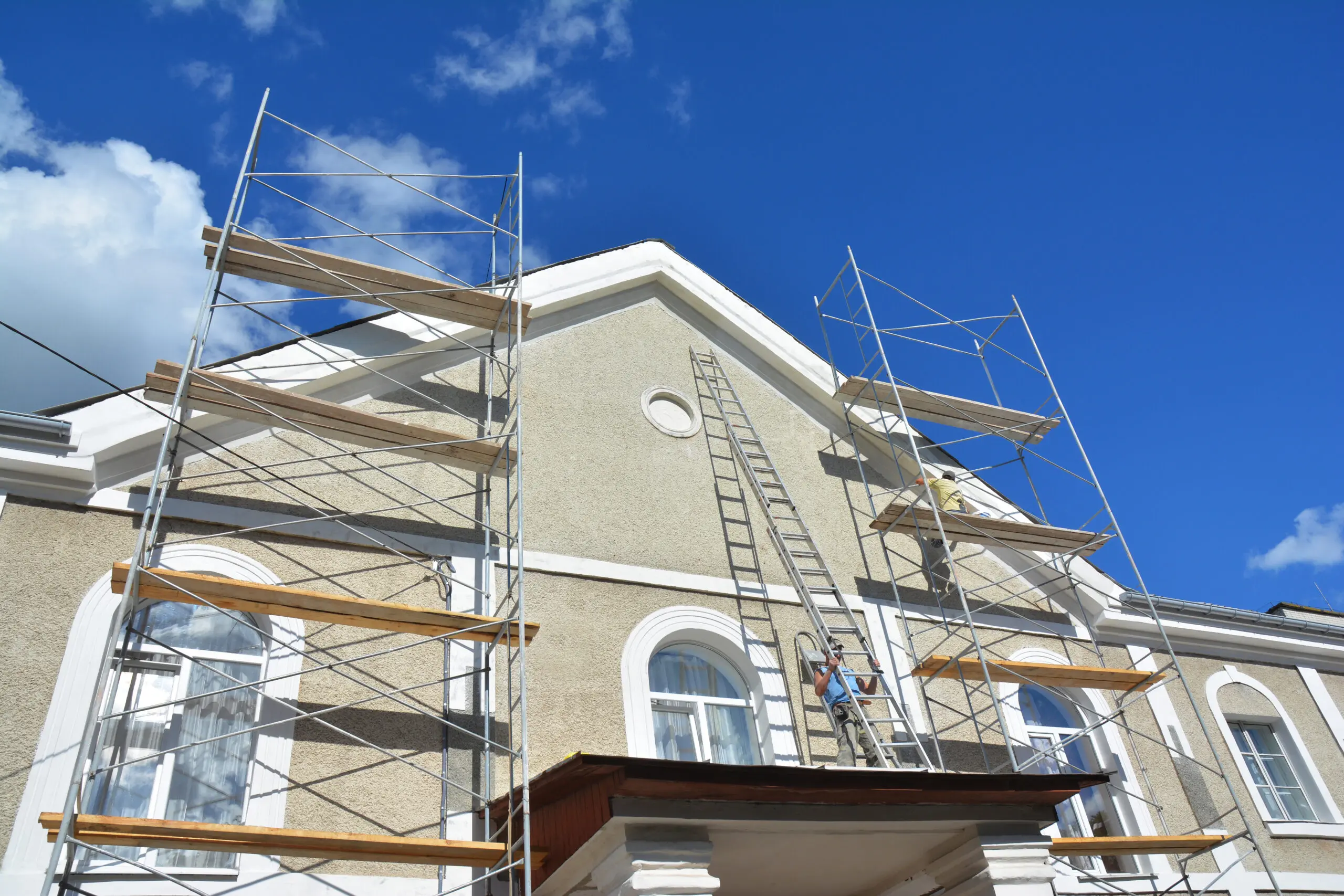
The Pros & Cons of Elastomeric House Paint
Elastomeric house paint is the primary go-to exterior paint product for home builders, commercial businesses, and homeowners due to its numerous benefits. With its ability to expand and contract, this type of paint can withstand extreme weather conditions and protect your home’s exterior for years to come. However, like any other product, it also has its drawbacks. In this blog post, we will delve into the pros and cons of elastomeric paint, giving you a better understanding of its capabilities and limitations. So let’s flex our knowledge and explore the ins and outs of elastomeric house paint.
Elastomeric paint isn’t as old as other house paints. However, it is the go-to solution when you seek versatile paints that offer protection against moisture and other elements. From waterproofing to longevity, there are various benefits of using elastomeric paint, explaining its widespread use in residential and commercial exterior stucco painting projects. Elastomeric paint also has drawbacks you should be aware of before purchasing. Whether you want to paint a concrete block home or want a flexible solution for complex exterior stucco commercial painting projects, exploring the pros and cons of elastomeric paints is crucial.
Understanding Elastomeric Paint: What is It and How Does it Work?

Elastomeric paint is a flexible, high-build coating that is commonly used for residential and commercial stucco or concrete block painting projects. It is specifically designed to withstand the stresses of expansion and contraction caused by temperature fluctuations and weather conditions.
Unlike traditional paint, elastomeric paint contains a higher percentage of solids, which gives it the ability to bridge small cracks and create a waterproof barrier on surfaces like stucco and masonry. This is why it is often used for exterior applications, where waterproofing, durability and protection are crucial.
Elastomeric paint works by forming a thick, rubber-like membrane that can stretch and flex with the substrate. This helps to prevent water penetration and can help to extend the lifespan of the underlying surface. Additionally, elastomeric paint is highly resistant to cracking and peeling, making it a great choice for areas with extreme weather conditions.
While elastomeric paint offers many advantages, it also has its limitations. Despite its flexibility, elastomeric paint can still crack and fade over time, especially if exposed to harsh Jacksonville, Florida sunlight. Additionally, the cost of elastomeric paint is generally higher than traditional acrylic paint. Why does elastomeric paint cost more you might ask? Well, it’s very thick, and therefore the coverage rate compared to acrylic paint is much less. The average spread rate for an elastomeric paint is 100 feet per gal, while an acrylic spread rate is roughly 250-300 per gal on most stucco surfaces. Therefore, you will use twice the amount of paint when using elastomeric paint compared to acrylic paint.
In contrast, acrylic paint is a durable and long-lasting option that resists fading and allows the substrate to breathe. It may not have the same high-build capabilities as elastomeric paint, but it can still provide excellent protection and longevity for your home.
The Advantages of Using Elastomeric Paint on Stucco
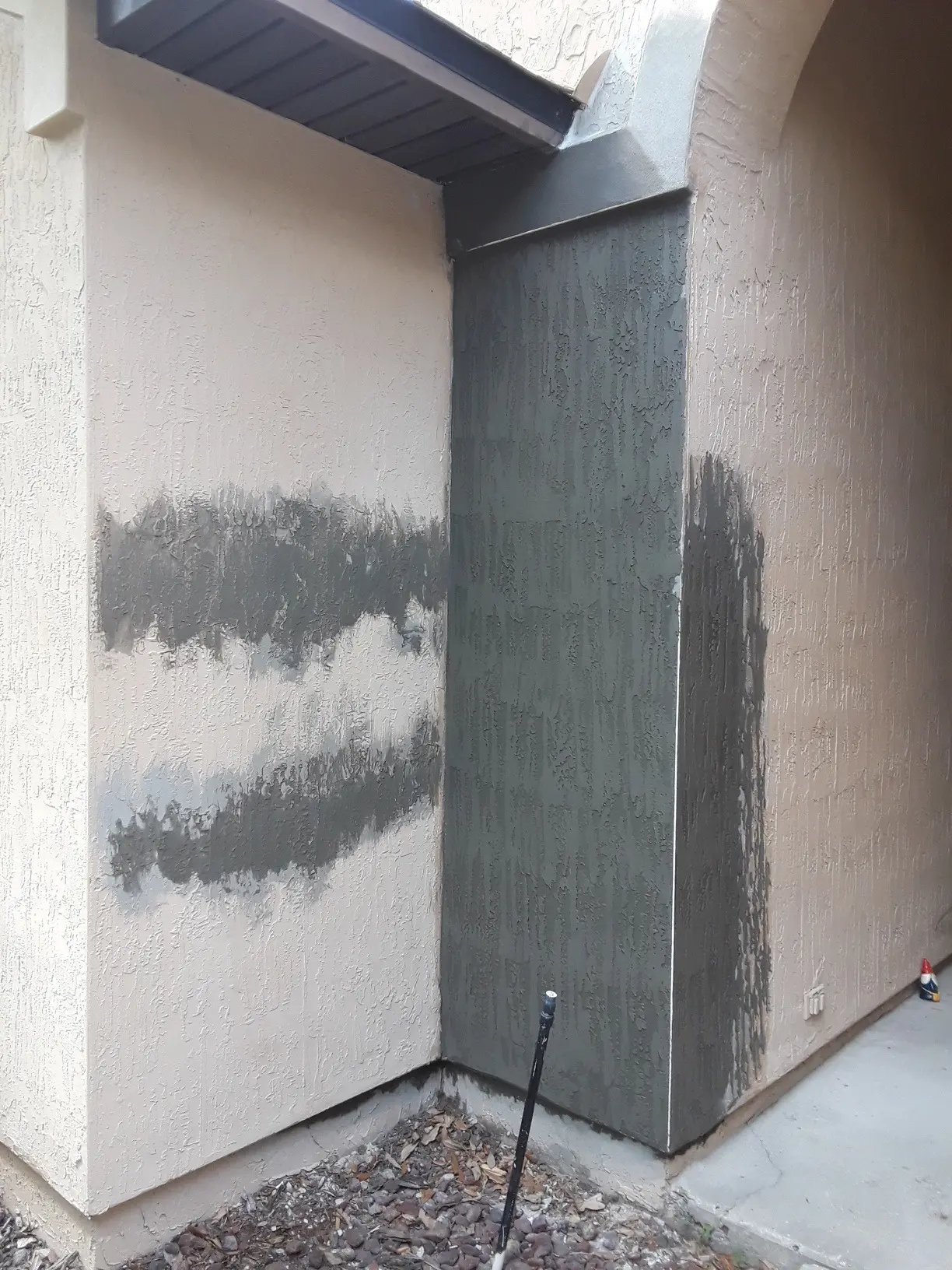

Here are 4 Reasons For Using Elastomeric Paint
1. Waterproofing
This is perhaps the most significant advantage of elastomeric house paints. The paint offers a secure layer that moisture and water won’t penetrate. It is the ideal stucco paint and solution for anyone looking to secure concrete blocks, roofs, walls, floors, and poured concrete. However, you need a proper painting process to guarantee a watertight surface. The waterproofing properties of elastomeric paint make it ideal for surfaces exposed to rainwater damage.
2. Density/Thickness
Elastomeric paints offer ten to twenty mills per coating, which is significantly thicker than the two to three mills you get from ordinary house paint. The extra thickness translates into better protection for your walls. You can see and feel the difference in texture and toughness. The higher dry film thickness (DFT) suits surfaces exposed to harsh conditions, such as weather elements. Exterior paint density also keeps all moisture away.
3. Durability/Dependability
Elastomeric paint has a stronger composition and offers a thicker layer that outlives most paints. Most come with a lengthy warranty up to 10 years or more, especially when combined with an elastomeric coating. Ordinary paints usually feature 2-3 year warranties and rarely live that long without proper maintenance. Elastomeric paint offers the best durability making it a perfect option for stucco paint, exterior walls, and concrete block surfaces exposed to weather elements.
4. Flexible/Bendable
Elastomeric paints are above-grade, a high-build coating designed to protect masonry surfaces, mainly exterior walls, and roofs. Like other paints, Elastomeric paint is applied in liquid form. However, it hardens into a flexible, watertight hide that suits roofs. Most roof paint is elastomeric, meaning the paint can stretch and return to its original form without damage. The flexibility also makes the paint perfect for exterior walls and other surfaces exposed to heat and cold.

Disadvantages: The Possible Downside of Choosing Elastomeric Paint
While elastomeric paint offers numerous advantages, there are a few potential downsides to consider before choosing this type of paint for your home. One of the main disadvantages is that elastomeric paint can fade over time, especially when exposed to harsh sunlight. This can result in a loss of color vibrancy and may require touch-ups or repainting in the future. Additionally, elastomeric paint tends to be more expensive than traditional acrylic paint, which can be a deterrent for some homeowners on a tight budget. It’s important to weigh the cost versus the benefits before making a decision.
Another consideration is that elastomeric paint may not be suitable for every surface. While it excels at waterproofing and protecting materials like stucco and masonry, it may not adhere as well to other surfaces. This means that proper preparation and priming may be necessary to ensure proper adhesion and longevity.
In contrast, acrylic paint offers its own set of advantages. It tends to last longer and resist fading better than elastomeric paint. Additionally, acrylic paint allows the substrate to breathe, preventing moisture buildup and potential damage. So if fade resistance and breathability are major concerns for you, acrylic paint may be a more suitable choice.
Overall, it’s important to carefully consider the pros and cons before deciding on elastomeric paint for your home. While it offers excellent durability and protection, it may not be the best choice for every situation or budget. It’s always a good idea to consult with a professional to determine the best paint option for your specific needs and circumstances.
1. Requires Experience
Applying elastomeric paint requires an experienced painter who understands what is needed to achieve great results. Improper application can result in thin, weak paints that peel off. There are various considerations to make when selecting elastomeric paint, depending on the project and the surface to be painted. Preparation, primer choice, and application method all require professional insight. The thickness and properties also make elastomeric paint applications different and overwhelming for newbies.
2. Unclear Product Descriptions
Not all elastomeric house paints you encounter are desirable for your project. Quality varies across the many brands, so you should focus on reviewing the descriptions and quality before purchasing. Reliable brands include the dry film thickness, the number of application layers required, and maintenance. However, finding a comprehensive description of elastomeric paints can be daunting. You should read the warranty to determine what is covered or request further details before making an order.
3. Costly
Using elastomeric paint can increase various expenses. The paint costs up to 50% more than ordinary options, although it covers the same space, albeit thicker. You also need thorough surface preparation, which combines pressure washing with chemicals such as chlorine and borax. You will likely need a professional to take care of the surface preparation, which increases the total cost. What’s more, elastomeric paints are applied five to ten times thicker, which is laborious and costly.
4. Can Product Ugly Lumps
Elastomeric paint application calls for precautions above ordinary measures. The surface must be clean and exfoliated from other substrates that can cause bonding problems. The thinning ratio and application process also call for maximum concentration. Projects handled by amateurs often feature lumps. You need a couple of layers to achieve the required thickness, resulting in a rough finish. The ugly lumps can also form due to natural reactions or when moisture and air permeate fresh paint.
5. Heavy Preparation
Elastomeric paints have shown better results in old buildings. Most painters recommend it for older structures or a slightly worn-out concrete block. However, before applying the paint, you must remove all previous paint, grease, and substrates. Applying elastomeric paints onto other substrates can cause bonding issues, moisture penetration, and peeling. Preparation often involves using solvents, bleachers, and chemicals like borax and chlorine. You also need pressure washing tools and expertise. What’s more, you might require a primer before applying paint.
6. Peeling and Permeation
Unlike other paints, elastomeric paint won’t permeate the surface beyond the base level. If the surface has large cracks, you should repair and seal them before the paintwork. Elastomeric paint will also peel soon after the application if the paintwork isn’t as thick as required. Cutting with water also causes thinning and subsequent peeling. Because of this, elastomeric paint has limited application and doesn’t suit flat roofs and decks. However, working with experienced painters can provide flexible, waterproof layers that outlive their warranty.
7. Darker Elastomeric Paint Colors Fade Badly
Darker paint colors may look stunning initially, but they can be problematic in the long run. When it comes to exterior painting for residential and commercial properties, it’s essential to consider the durability of the chosen colors. Darker shades tend to fade faster than lighter ones, especially when exposed to sunlight. This can lead to a dull and unattractive appearance over time. To ensure long-lasting beauty for your property, consider opting for lighter paint colors that are less prone to fading. Our team at ANEWLEAF Painting can guide you in selecting the right shades that will stand the test of time.
When and Where to Use Elastomeric Paint – The Best Stucco, Block, & Concrete Paint.
When and where to use elastomeric paint is an important consideration when deciding if it is the right choice for your home. One of the primary applications for elastomeric paint is on exterior surfaces that are prone to cracking and damage, such as stucco and masonry. The high-build capabilities of elastomeric paint allow it to bridge small cracks and create a waterproof barrier, protecting your home from water damage and moisture penetration. This makes it an excellent choice for homes in areas with heavy rainfall or extreme weather conditions.
Elastomeric Paint Is Designed For Stucco and Concrete Block
However, elastomeric paint may not be suitable for every surface. It may not adhere as well to other materials, such as wood or metal, and may require proper preparation and priming to ensure proper adhesion and longevity.
In terms of cost, elastomeric paint tends to be more expensive than traditional acrylic paint. If budget is a major concern, you may want to consider acrylic paint, which also offers excellent durability and longevity. Acrylic paint is known for its fade resistance and ability to allow the substrate to breathe, preventing moisture buildup and potential damage.
Ultimately, the decision to use elastomeric paint should be based on your specific needs and circumstances. Consulting with a professional stucco painter can help determine if elastomeric paint is the best choice for your home, or if another option, such as acrylic paint, may be more suitable.
Maintaining Elastomeric Paints
If you choose elastomeric paints as your solution, the 1 to 10 years will feature scheduled maintenance to keep your paints appealing and useful. The warranty is based on the thickness and provided by the manufacturer or painting contractor. Maintenance will involve routine cleaning to remove dirt, clogging, and accumulated debris from your roof and other surfaces.
Cleaning will maintain your paint for the first three years. You should also monitor for visible damages, such as peeling, scratches, cracks, and fading color. Into the 7th year and onwards, your paint will start exposing preexisting substrates and calls for comprehensive inspection and repainting. Applying new paint over preexisting EWC is a specialized technique that requires experts.
Professional Painting Advice and Opinion About Painting Stucco And Elastomeric Paints
After being a professional painter for over 30 years and managing over 8000 painting projects, you learn a thing or two because you’ve seen a thing or two. One of my key observations of working with elastomeric paint is that while it is the best product for waterproofing stucco, it doesn’t resist fading well at all. In fact, darker colors will usually fade baldy within 4-6 years of being applied.
What can be done to prevent this the next time you paint?
Let’s first address several very important things and establish a firm foundation!
1. The first and possibly the second time you paint stucco, it’s critical to use an elastomeric paint. Why? For all the reasons mentioned in this blog post. It waterproofs your stucco and prevents water intrusion. This is critical to protect your home from serious water intrusion damages that can cause significant unwanted structural damage that will cost a small fortune to repair.
2. How long has it been since your home was painted last? If your home has been painted 1-2 times and it’s only been 4-6 years since you last painted, the high build benefits of elastomeric waterproofing properties are still in the paint!
What To Do To Get The Most Value From Your Next Paint Job?
1. If you’re repainting a stucco home, here is what I would do if it’s only been 4-8 since your home was painted last. I would seal up all the stucco cracks and apply a primer coat of “elastomeric paint” on all the cracks after you’ve sealed or caulked them. This will help add a layer of waterproofing protection to the sealed cracks.
2. If you have a darker color, I would HIGHLY RECOMMEND picking a lighter paint color. A lighter color will fad much better over time. When picking your paint of choice, I would select the best possible PREMIUM ACRYLIC house paint you can afford. Premium acrylic paints resist fading much better overall compared to elastomeric paints.
3. Repaint your home with a PREMIUM ACRYLIC paint.
How to Paint Over Elastomeric Paint
Professional Elastomeric Painting for Your Home
There are several merits and demerits to using elastomeric paints. These options are provided for unique applications, mainly those requiring better protection from the elements. It is essential to choose trusted contractors that can provide premium quality paint and services. Quality results call for experienced professionals. It is also the only way to preserve your warranty.
What is the best exterior house paint? Don’t gamble with exterior paint!
A New Leaf Painting is dedicated to providing expert painters in Jacksonville, FL. We have years of experience, with over 4,000 homes and businesses painted. Our goal is to help you make use of the best painting solutions for your needs. Contact our support team today to find out more about elastomeric paints and other painting solutions.